City goes to class on food safety
14 January 2026
Summer generally sees an increase in incidents of foodborne illnesses. As the academic year gets under way, City Health reminds parents that food safety is critical, especially in school lunchboxes. Read more below:
Food safety is one of the many priorities for the City's Health Department.
In summer, food spoils easier as a result of the high temperatures and germs spread faster, which increases the risk of foodborne illnesses.
Environmental Health Practitioners, also known as Health Inspectors, inspect food premises, investigate complaints of foodborne illnesses, and conduct thousands of education and outreach activities annually to create awareness about food safety and hygiene.
Their counterparts in City Health's Food Microbiological Laboratory perform on average nearly 1 600 analyses each month to ensure Cape Town's food quality.
'The public plays an important role in keeping food safe. Simple steps make a big difference – like keeping food cold when transporting groceries, packing picnic lunches or preparing snacks for school. Good handwashing is also one of the most effective ways to stop germs from spreading, at any age. Let's teach our children the importance of washing their hands properly before they eat anything, especially if they've been out and about on the playground. Where possible, pack a little bottle of sanitiser in their school bag can also help,' said Mayoral Committee Member for Community Services and Health, Councillor Francine Higham.
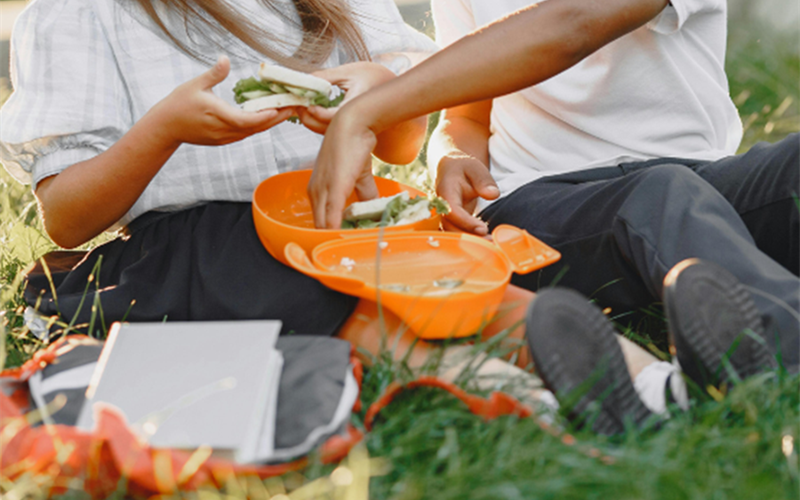 The City's Food Control Unit has a list of easy-to-implement food safety tips for packed school lunches to prevent food spoilage.
CLEAN FIRST
- Ensure your lunch box/bag is clean and dry
- Clean and sanitise all working surfaces and equipment before, during and after use e.g. countertops, cutting boards, dishes, and utensils
- Wash hands for 20 seconds with soap and clean water before preparing and packing the lunch box
- Wash raw fruits and vegetables under clean running water and dry fully with clean, disposal paper towels
- Use separate containers for different food groups if the lunch box does not have a divider
- Wrap sandwiches well in moisture proof wrapping (plastic, foil, wax wrap etc.)
- Avoid reusing single-use bags or packaging

CHILL SMART
- Keep perishable foodstuffs refrigerated until ready to pack
- Use ice packs to maintain safe temperatures
- Pack perishables foodstuffs like cheese, yogurt, or deli meats between ice packs
- Position the most perishable items (e.g. dairy, eggs, deli meats) directly against ice packs for maximum cooling
- Freeze items like juice boxes, yoghurts, or water bottles to act as extra cool packs
- Remind children to store their backpacks and lunchboxes in cool, shaded areas
CHOOSE WISELY
- Pick low-spoilage foods like washed whole fruits and vegetables, hard cheeses, crackers, nuts, bread, peanut butter etc.
- Skip mayo-based fillings, salads, cooked rice, pasta, or soft cheeses unless super-chilled
- Pack just the right amount of perishable food that can be eaten at lunchtime to avoid spoilage and wastage
DAILY HABITS
- Wash hands before eating
- Replace damaged containers regularly
- Wash lunch boxes, bottles, and lids daily in hot soapy water
- Pack perishable foodstuffs last after low-risk items to keep everything cold
- Use separate compartments for wet and dry foods to avoid sogginess and contamination
- Ensure reusable ice packs are fully frozen before use
- Avoid overpacking lunchboxes, which can limit airflow and keep foods from staying cool
- Eat perishable foodstuffs within four hours of preparation
- Discard uneaten perishable foodstuffs — never repack
- Pair proteins (boiled eggs, cheese sticks) with grains (bread, rice cakes), dairy (yoghurt) and fresh produce (fruit, vegetables) for balance. Read food labels to avoid high-sugar or salty snacks
Published by:
City of Cape Town, Media Office